Sprint to success: How ASU Prep is redefining student engagement

« Back  |  

Get ready for an enlightening dialogue with Amy McGrath, Vice President of Educational Outreach and Managing Director at ASU Prep, in the latest episode of “Allowing Students to Sprint.”

This episode of The Homebrew School Builder’s Club podcast dives into how ASU Prep is pioneering innovative educational practices that empower students through choice and autonomy. McGrath discusses personalized learning experiences, mastery-based learning, and alternative assessments, among others, showcasing how these methods foster a more engaging and student-centered environment.

Tune in to the full episode to discover how ASU Prep is at the forefront of forward-thinking educational strategies designed to empower students to “sprint” in their learning journeys.

Can you switch to an online school in the middle of the year?

« Back  |  

If you are the parent or guardian of a K-12 child thinking of enrolling in an online school in the middle of the school year, you are not alone. There are many reasons a family may need or want to make such a change. And while switching to an online school in the middle of the school year is certainly possible, there are some important factors to consider before committing to the transition.

Understanding the benefits of an online school versus a traditional school

Among the many benefits of a K-12 online education is a flexible learning environment that can be tailored to the individual needs of each student — something not available to those in a traditional school setting. Plus, online classes allow students to work at their own pace.

Virtual schools are not just a kid and a screen. They also give students a chance to create connections with their classmates and foster a sense of community and social interaction through a medium that is second nature to them.

How do I know if online schooling is right for my child?

You may be wondering, “Should I try online school?” No one knows the educational needs of a student better than those closest to them. So whether your student is in elementary school, middle school, or high school, an online education can be a great option for a variety of reasons. Even homeschool students can transfer to an online learning environment.

Online schooling is flexible enough to be a great fit regardless of the kind of learning style that suits your student best because the learning is self-paced. And switching to an online school in the middle of the year can be a positive way to minimize distractions from outside forces that might derail their in-person learning.

How does transferring to an online school work?

Transferring to online school is similar in many aspects to moving from one brick-and-mortar school to another. This move will require you to do some advanced planning and complete the appropriate paperwork. You may also need to request transcripts and withdraw from your current school. Even though it will be a virtual learning environment, some schools will still require a birth certificate and immunization records.

Much of the work can be done online, such as the application process and the submission of transcripts and other required documentation. You will find resources to help with the process and can schedule a call with a counselor or submit questions online.

Students learning virtually

The pros and cons of online schooling

There are many benefits of online schooling, but it’s not the ideal environment for every student. It’s important to have a good understanding of how online schooling works as well as the individual needs of the student, so they have the greatest chance of success.

Pros

  • Flexibility in terms of the school schedule and student needs
  • Tailored learning environment for individual preferences
  • Expanded online course catalog and specialty instruction
  • Accelerated learning for gifted students
  • No constraints in terms of geography for families who travel

Cons

  • Less face-to-face interaction with students and teachers
  • Not suited for students who struggle with time management

What do parents need to know about online schooling for their children?

Online schooling is much more than just a student interacting with technology. Students in a virtual setting can still develop deep connections with other students through social activities and collaborate on work in a way that challenges them to excel. Online schools can also foster a sense of community, especially at the high school level, similar to those who attend traditional schools. Enrolling in an online school midyear can be an easier transition than starting out fresh in a public school.

Here are some things to consider if you are thinking of switching to an online school.

1. Understand not all online schools are created equal

Online schooling may be a new thought for you, but some virtual schools have been operating for years and have honed their curriculum and teaching methods to take advantage of the benefits of this medium. It’s best to research and compare different online school options to ensure you find the best fit for your child’s needs.

Proper accreditation is important, so check to see if the school you are considering meets the appropriate educational requirements for your state. Some schools offer more support for elementary or middle school students and some focus strictly on the high school student. Consider the level of academic support necessary for your child in terms of teacher availability and technology support so they have the best chance to succeed.

Parent and student working virtually

2. Plan ahead as much as possible for switching schools midyear

As with any new endeavor, planning is crucial for success. Take the time to communicate with your new school administrators and teachers so you are familiar with the unique processes and requirements associated with virtual learning.

Time management skills are critical to the success of an online student, so routines and consistency will help in that aspect. Make sure your child has a dedicated work space and the necessary technology required. And make sure they are taking advantage of the resources available to make connections and remain engaged with other students as well as their teachers.

3. Pay close attention to transfer credits

Make sure you request a transcript well in advance of your midyear enrollment in an online school so you are aware of any unexpected requirements that may be necessary for graduation in the future. Your new school will be able to walk you through the transfer process and let you know which credits will apply so you can work toward your student’s goal of a high school diploma, opening the door to college and careers of the future.

Take some time to look at the requirements of the new school and compare that to the work your student already completed at their previous school. Guidance counselors at the new school will help you with the transcript process and let you know if there are any classes you may need to retake or if there will be any additional coursework expected of you to meet the new school’s requirements.

Know you are not the first person to go through this midyear transfer, so academic advisors and guidance counselors at your chosen online school will be prepared to help you through the process.

4. Make sure you have your paperwork in order

Making a midyear switch to an online school from a public school or private school will take some advanced planning so be sure you start this process as early as you can, even if you are not certain if you will make the move. Time invested in advance will help make the enrollment process smoother.

Notify your current school of your intentions and request transcripts. Depending on their staffing and their workload, that process may take a little time. Get a detailed list from your new online school and use that as a checklist so you are on track with the requirements for the move. Typically the documents needed include your child’s birth certificate, transcripts, student assessments, immunization records, and a notice of withdrawal from their in-person school.

Teacher and student working virtually

5. Parents play a key role in online schooling

Proper support from a parent or guardian is critical in helping a child succeed in an online school environment, especially if they are making the switch midyear. Help your child establish a routine and structured schedule, just as if they were in a public school or private school. Those boundaries will help them to channel their efforts and give them the best chance for success.

A dedicated workspace will be helpful. And keeping it in a low-traffic area of the house, if possible, will help eliminate distractions. Make sure attention grabbers like a television or video games are not nearby, so their minds are not tempted to wander. Setting clear expectations and keeping track of your child’s progress will be helpful.

Build in breaks for physical activity and mind-clearing exercises to help your student remain engaged and focused when it’s time for school work. This new learning environment will be an adjustment so stay positive and be supportive during this transition.

6. Build connections with other parents

Experience is a great teacher, so connecting with other parents who have been a part of the online educational community for longer than you have can be a great resource. Setting up regular check-in sessions with other parents will help you stay connected to your online school and will also help you stay engaged with your student.

Don’t be afraid to reach out to school administrators and counselors for help. They can probably get you connected with parents who can give you advice that will help your child’s transition.

7. Maintain close communication with teachers and advisors

Administrators from a good online school have a vested interest in seeing your student succeed in making the midyear transfer from a public school or private school, so make sure to keep the lines of communication open. Routine check-ins with teachers and counselors will allow you to make sure your child is keeping pace and getting the help they need.

You are not alone, so make sure to connect with other parents and take advantage of opportunities to stay informed with virtual parent-teacher conferences. Encourage your student to make connections with other students and also establish on-camera, face-to-face sessions with their teachers on a routine basis.

Frequent check-ins with your student will help them know they have your support and will encourage them to stay engaged and motivated.

Parent and students meeting teacher

8. Help your child build great time management skills

Time management skills are one of the most important traits necessary for making a successful transition to an online school, especially if it is done in the middle of the school year. Help your child set aside a consistent time for each class, just as if they were in a traditional classroom. A calendar or day-planner will allow them to keep track of assignments and due dates.

Encourage them to connect with fellow students and ask for tips they can use to make the most of their online schooling. Teachers and administrators can also be a big help in that area.

Taking breaks for physical activity can help your student avoid burnout and keep them motivated. Help them divide large tasks into manageable chunks so they stay on track. That will help them avoid procrastination (which could hurt when a big project is assigned).

A dedicated work space that students can leave behind when the school day is through will help create some normalcy and help them feel like school is not always in session when they are at home.

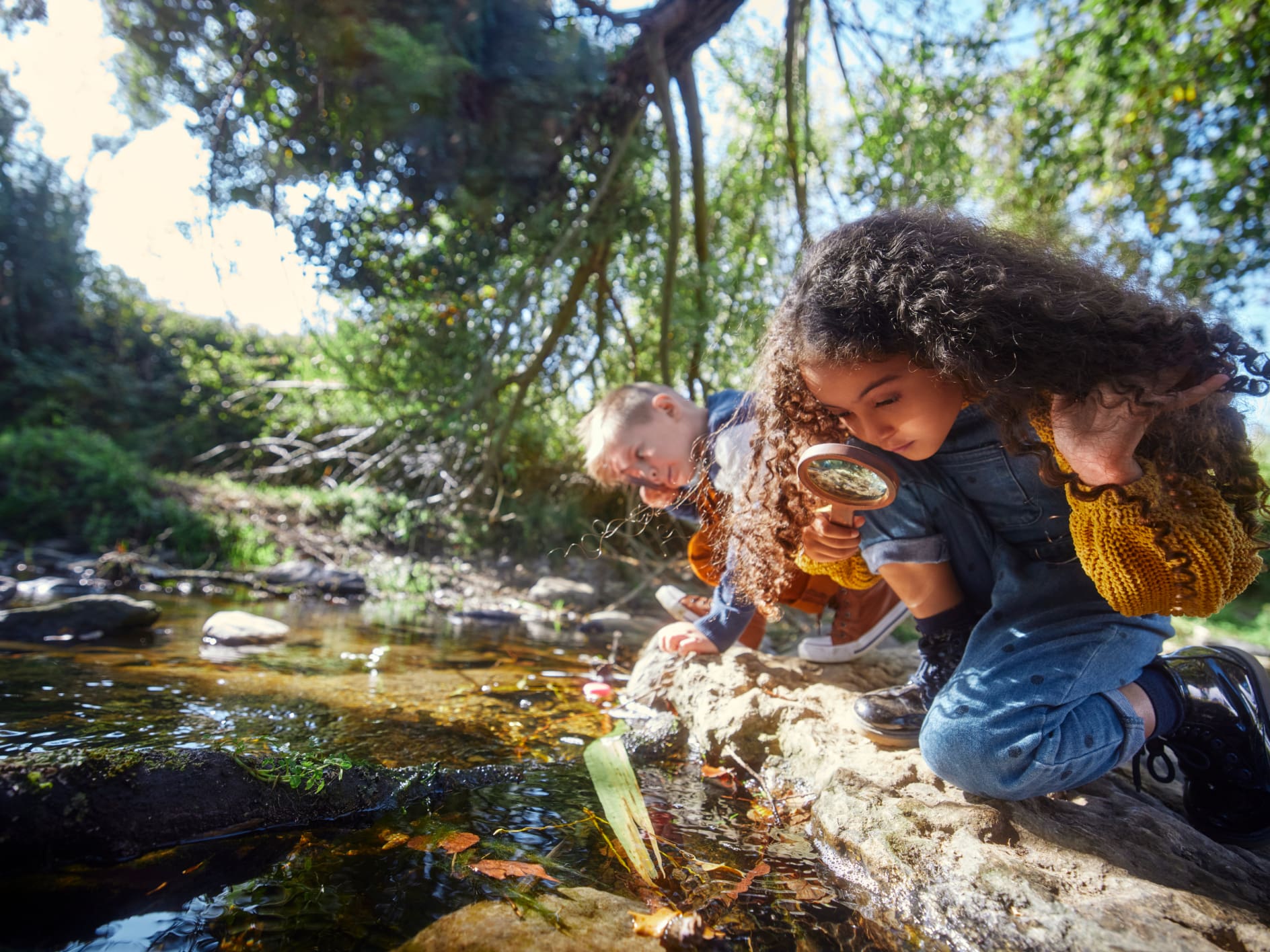
Students researching a river

Is your student transferring to an online school midyear?

ASU Prep Digital is a great option to consider if you want to move away from homeschooling or public/private school and explore the flexibility and personalization of an online school program.

ASU Prep Digital is an accredited online school program serving students in grades K–12, recognized as Arizona’s #1 Online School by Niche.com. Our unique teaching model supports students from the safety of their homes with the latest learning technologies and several layers of personalized instruction and coaching. In addition, our program is a college prep option where online high school and university courses converge, preparing students for college acceptance and encouraging them to start earning credit toward college majors and careers.

We support districts in Arizona, while serving students and schools around the world. To learn more about ASU Prep Digital, please visit our website.

Student and parent working virtually

Can you switch to online school in the middle of the year FAQs

Can I switch to online in the middle of the semester?

Yes, you can switch to online school in the middle of the year. We understand that transferring schools is a big decision. Circumstances may change and traditional school settings may not be the best fit for every student. That’s why ASU Prep Digital offers a flexible and supportive online learning environment.

Is online school more challenging than traditional school?

This is a common concern for students and parents considering switching to online school. The truth is, online school presents its own unique set of challenges. While students enjoy the flexibility to work at their own pace, they also need strong time management skills and self-discipline to stay on track with coursework. Additionally, online classes often involve active participation in discussions and group projects, which can require additional effort compared to attending lectures in a traditional classroom setting.

Can students switch to online learning mid-year?

Yes, students can switch to online learning at any point in their education journey. Whether they are looking for a more flexible schedule, personalized curriculum, or a different academic experience, online school offers the opportunity to make the switch and continue their education in a new setting. ASU Prep Digital welcomes students from all backgrounds and provides a seamless transition process for those transferring from traditional schools.

Beyond brick and mortar: Podcast highlights ASU Prep Digital’s success

« Back  |  

The Learning Accelerator, a national nonprofit, is on a mission to connect teachers and leaders with the knowledge, tools, and networks they need to transform K–12 education. On their “Stories of Learning: Beyond Brick and Mortar” podcast series, they highlight real-world education leaders making effective, equitable, and innovative learning a reality.

Who better to discuss the success of virtual and hybrid learning programs than ASU Prep Digital? Jill Rogier, Head of Schools for ASU Prep Digital, and Betsy Fowler, Head of Schools for ASU Preparatory Academy, were special guests on the podcast, sharing insights on what makes ASU Prep Digital an exemplary educational program.

What sets ASU Prep Digital apart

The podcast episode highlights the integral role played by Learning Success Coaches (LSCs), who are in constant contact with their assigned students, providing guidance and support. This led to the topic of building meaningful staff-student relationships. Rogier explains that thanks to a comprehensive curriculum setup, ASU Prep Digital teachers “can focus more on the incredibly important human side of online learning.” They can foster better student engagement rather than spending time on curriculum development.

On the podcast, Rogier and Fowler highlight how ASU Preparatory Academy programs, including ASU Prep Digital, are also unique in providing an accelerated path to college and careers, offering full-time students the opportunity to take two concurrent courses at Arizona State University per semester, tuition-free. Students save both time and money toward their future college degree!

Listen to the podcast

To hear more about how ASU Prep Digital is transforming K–12 education through its flexible, student-centered approach, tune in to the podcast: Beyond Brick and Mortar: ASU Prep Digital on Building Relationships and Human Connections in Virtual Learning.

ASU Prep Digital: fostering global citizens

« Back  |  

In today’s interconnected world, empowering high schoolers to be global citizens is more important than ever and ASU Prep Digital believes in providing students with opportunities to broaden their horizons and experience different cultures. A new pen pal-type program, created by ASU Prep Digital German teacher Ashley Crane, is doing just that.

The program, still in its development stage and an optional part of the curriculum, aims to promote cultural exploration in high school education.

Sister City pen pals

Ms. Crane’s Level 2-4 German students connect with students in Emmingen, Germany, which is Glendale, Arizona’s sister city. Sister Cities International’s goal is to promote friendship and goodwill throughout the world, which the students are accomplishing through the unique pen pal program.

Ms. Crane collaborated with the Emmingen teacher to set up the program to encourage students to communicate and engage with one another, and as she describes it, “Work together to promote exchange, global leadership, and digital citizenship.”

High school initiative for global engagement

Being a new initiative, the program is still working around different time zones and contrasting schedules but are finding ways to use technology to interact.

Enthusiastic and curious students interact through Canvas, where they communicate in both German and English. They upload pictures and discuss topics that interest teenagers universally, like food, trends, and social norms. Ms. Cranes explains, “It gives our students an opportunity to learn about German culture, but also reflect on their own American culture.”

The future of the German pen pal program

Ms. Crane shares that she hopes to see the program grow: “My ultimate goal would be to establish a partnership exchange program where a German student comes here one summer and then the next summer, an American student travels to Germany. That’s the absolute best cultural immersion opportunity for students.”

While still in the early stages, ASU Prep Digital’s German pen pal program is already cultivating cultural awareness and understanding, equipping students to confidently navigate an increasingly global world.

Keep up to date with more cool happenings on ASU Prep Digital’s blog.

To Be Globally Competitive, the U.S. Must Value STEM as Much as Literacy

« Back  |  

Originally published on The74.

K-12 education needs to be rethought and redesigned: The engine for STEM learning is curiosity and imagination.

Curiosity is king. Students start their educational journey curious, creative and thirsty for knowledge. This is what drives STEM, particularly science. Our job is to cultivate that and not let a standardized approach to education quash those highly valued traits of a learner.

The world is dependent on innovations, systems and equipment that are designed and sustained using science, engineering, technology and mathematics. This means the nurturing of STEM talent cannot be reserved for a slice of our student population but, instead, an essential component of every student’s educational journey.

It turns out, industry agrees.

Our colleagues in the semiconductor community report the need for curious and creative professionals who can work in teams to solve the toughest problems encountered in the fabs and labs of our most advanced workplaces.

Because innovation is happening at a quickening pace, readying students through the curriculum for every workplace scenario will be impossible. The ability to design solutions from scratch, in real time, is necessary to the innovation enterprise.

Whether this is perceived as an issue of equity or economics, the goal is the same: To value STEM knowledge in the same way we value reading.

K-12 needs to be rethought and redesigned or it will not only fail to meet the needs of a STEM-dependent world, it will fail to meet the needs of a unique generation of students who learns, thinks and engages with the world around them differently than any before.

Millennial and Gen Z parents are tech-integrated and experience-driven. Their children are hard-wired to be the same. Practically, this means they innately use technology to learn anytime, anywhere. But it also means they want to learn by doing. They consider technology their guide but want in-person engagement for connection, collaboration and support.

These were the trends and challenges we had to consider when designing ASU Prep. ASU Prep is a P-20 system of schools and educational services embedded in a larger learning enterprise at Arizona State University. The needs and preferences of our student body is what drives our iterative design. Students become masters in various learning domains from home, at a K-12 campus, on a university campus, at their parent’s workplace or even with peers at a coffee shop.

Thanks to the innovative K-12 policy environment in Arizona, students who can do a day’s worth of school work in less time can fill the remaining hours getting ahead in courses, catching up on concepts where they struggle, working, pursuing an interest in music, theater, Olympic sport or even launching their own small business.

Online learning should not be remote from people. We pair students with Learning Success Coaches to help students build personalized educational pathways into their desired future career. From kindergarten on, ASU Prep students build their own learning plans in concert with a guide and present it to their parents.

Our students are exposed to ASU courses as soon as they are ready and can take any of the 4,000-plus courses on the ASU catalog: in person, online or through our Universal Learner Platform. High school students at ASU Prep are applying their learning via paid internships and hybrid high school/university schedules.

It’s working. With graduation and college-going rates that exceed the averages and large numbers of students matriculating to STEM careers, we believe that we are the school system of the future. As part of ASU’s New American University, ASU Prep is wired like no other K12 system in the country and is poised to design and open access to a K12 model fit for the future of work.

We do all these things not to simply grow enrollment but to develop a knowledge base of what works to share with the broader community and the ASU teams that are increasing university enrollment in underrepresented communities.

Stakes are high for both our country and the families striving within. We embrace the efforts laid out in the New Essential Education Discoveries (NEED) Act to evaluate what is happening right now in the most innovative systems in the United States and apply those lessons rapidly for the benefit of all students.

There is brilliance in every household. We believe it’s our job to design new educational models that value curiosity and show every student that they do, in fact, have a path to a successful future.

Amy McGrath is an educator, vice president for ASU, and managing director of ASU Preparatory Academy, a system of schools and innovations designing new models for all learners.

Science and Engineering Fair hosted by ASU Prep Digital

« Back  |  

It’s time for the annual Science and Engineering Fair, and all 3rd – 12th graders across the ASU Prep network are encouraged to participate in order to showcase their imagination, innovation, and wonder about the world around us!

ASU Prep Digital organizes this special event and lead Science teacher, Brooke Toon, is instrumental in making it a success. Thanks to her relentless efforts, ASU Prep Digital was awarded grant money from Arizona State University and other benefactors whose generous funding provides for participant shirts and awards, as well as a student project fund that aids students with necessary supplies for their projects.

From curious kids to future scientists

ASU Prep’s innovative K–12 curriculum is committed to preparing students for college, careers, and life. The Science and Engineering Fair is a perfect fit with a project-based approach to learning that enhances STEM education and fosters creativity and curiosity. The previous fair welcomed more than a hundred participants showcasing their innovative projects, and the organizers are hoping to match or surpass that this year. For younger students, involvement in the fair is often about nurturing an innate interest and curiosity while encouraging STEM skills through project-based learning. For older students, it’s about fostering innovation and encouraging them to pursue their STEM career goals and possibly, an opportunity to earn a college scholarship.

Preparing for the fair

The fair is divided into four divisions: Lower Elementary (3rd–4th), Elementary (5th–6th), Junior (7th–8th), and Senior (9th–12th). Project categories vary based on division but include animal sciences, behavioral and social sciences, cellular and molecular biology, physics and astronomy, and engineering. To participate, students must submit a proposal for their project idea and then have through February to prepare. The fair is held virtually, allowing students to record their presentations in a variety of ways, from Google Slides to video editing apps. The uploaded projects are then evaluated by three separate staff members who don’t know the others’ scoring. Winners are announced during an award ceremony in late February, with the top projects moving on to compete at the state level in April.

Fostering innovation and exploration

Through initiatives like the Science and Engineering Fair, the entire ASU Prep community continues to foster a learning environment that encourages students to explore, innovate, and push the boundaries of their knowledge. ASU Prep Digital Principal Dr. Robert Streibel recalls a project that he says truly demonstrated remarkable ingenuity and creativity: a student inspired by a sibling’s medical condition studied the dissolution of over-the-counter medications with the goal of figuring out what would work best.

We are excited to see this year’s budding scientists’ and engineers’ innovative projects that demonstrate creativity in STEM education.

If you’d like to learn more about the Science and Engineering Fair, there will be information sessions on October 25 & 30 and November 2 & 8. Contact Mrs. Toon for more information.

Summer Tips: Prepare for Success This School Year

« Back  |  

Summer months are ideal for students to unwind, reset, and build on their skills. But with so much freedom to do anything, it can be tricky for students to refocus on the academic preparation needed as summer winds down and the online school year approaches. Thankfully, it’s a matter of parents and students finding the right balance between downtime and schoolwork. Let’s dive into what you can do now to lay the groundwork for a seamless and successful virtual academic year ahead.

Explore Your Online School’s Resources

Most schools have an extensive range of online resources, including learning platforms, rubrics, and even coaches and guidance counselors. These resources help give students an idea of what the curriculum will look like so they better understand what to expect. Students who are familiar with the school’s platform, format, and learning materials are better equipped to succeed. This knowledge also helps with time management and focus, so students are better prepared to complete their online assignments and assessments on time.

Encourage Positive Thinking

A positive attitude sets the tone for a good year ahead. Speak words of encouragement and praise to your student and help them establish positive self-talk, which is important for them to achieve their academic goals. For example, if your student is struggling in a particular subject, instead of getting frustrated, find creative ways to encourage them by focusing on their strengths and reminding them that hard work and perseverance pay off. Also, encourage them to view “failure” as a learning experience, embracing it as an opportunity to evaluate, revise, and improve. If needed, seek out enrichment or academic support opportunities to help your student increase their confidence and academic skills.

Set Personal Goals

It’s essential for your student to have a clear vision of what they want to achieve. Involve your student in the goal-setting process by finding out what motivates them and then making it fun. Use vision boards, tracking charts, or create a positive environment to encourage them to work toward their goals. The goals should be achievable, realistic, and timely, to help your child stay on track. Motivate them by celebrating small successes along the way and reflecting on obstacles that they have overcome.

Create a Flexible Schedule

Online students who work from home do best with a set routine and schedule to encourage good time management habits. Along with academic activities, plan for daily physical exercise and outdoor activities, which will help students keep their stress levels down, sharpen their minds, and set the stage for the upcoming academic year. Creating a flexible schedule will help students take control of their time and be proactive in determining when they should be studying and when they need to take a break. Don’t forget to block out time for recreation, family time, and relaxation.

Communicate with Teachers and your Learning Success Coach

Finally, don’t hesitate to reach out (or encourage your student to reach out) to online teachers or their Learning Success Coach (LSC) with any questions or concerns. This way, you’ll pave the way for better communication for the upcoming school year. Depending on the need, teachers and LSCs may provide supplemental learning material, clarify assignments, provide study tips, or offer advice to your student when needed.

Going back to school can be an exciting time for both students and their families. With the right planning and preparation, families can equip their students with tools and resources required to ensure a successful school year. All it takes is small steps, setting reasonable goals, and the commitment to improve continually.